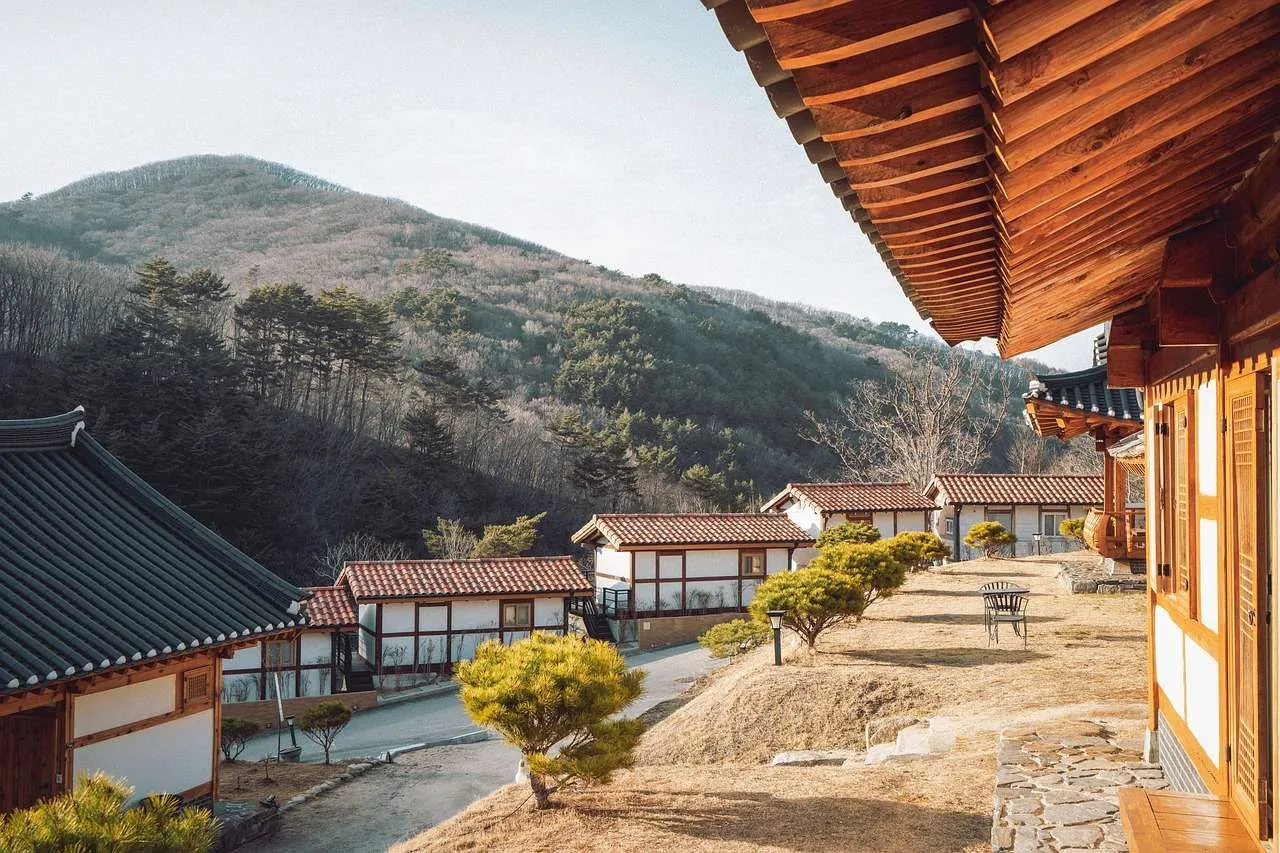
Roof
January 19, 2026
Roofing and Roof Repairs: Expert Guide
By Scarlett
4 min read
Choosing the right roofing approach starts with understanding the role of a roof and the benefits of well maintained roof repairs. A durable roof protects family, belongings, and energy efficiency, while preventing costly damage from leaks and weather events.
What is Roofing?
Roofing is the system of components that shields a home from the elements. It includes the primary weather barrier, underlayment, and the exterior covering such as asphalt shingles, metal panels, clay tiles, or built up membranes. A quality roof design accounts for climate, roof pitch, ventilation, attic condition, and the structural integrity of the roof deck. Regular inspections help catch issues before they escalate into expensive roof repairs or even a full roof replacement. The goal is a long lasting, watertight roof with energy efficient performance.
Signs Your Roof Needs Repairs
Look for visible indicators of trouble. These include missing or curled shingles, blistering asphalt, granules in gutters, and daylight through attic rafters. Leaks inside the home after rain, damp ceilings, or stained walls are clear signals of roof repairs needed. Don’t ignore ice dams, sagging sections, damaged flashing around chimneys and vents, or persistent moisture in the attic, as these problems often point to underlying structural concerns. If you hear rain sounds inside the attic during a storm, treat it as an urgent cue to inspect and repair.
Common Roof Repair Methods
Repair methods vary by material and damage. Shingle repairs involve replacing damaged shingles, resealing seams, and reinforcing edge components. Flashing repair fixes water entry points at joints, around chimneys, vents, and skylines. Leak sealing may be a temporary measure to buy time before a full replacement. For metal roofs, panel replacement and sealant renewal are typical; for flat roofs, patches, coatings, and improved drainage are common. A professional assessment determines the most durable, cost effective solution to restore a weather tight roof.
DIY vs Professional Roof Repairs
Safer, structural repairs should always be performed by a licensed roofer. Climbing ladders, working on steep slopes, and handling heavy materials carry significant risk. DIY maintenance can help with routine tasks such as gutter cleaning, debris removal, and small shingle reseating, but only with proper safety gear and good weather. When in doubt, schedule a professional inspection to avoid wasted time, missed defects, and further damage.
Choosing a Roofing Contractor
Trustworthy roofers demonstrate license, insurance, and workmanship warranties. Ask for written estimates, a detailed scope, and a project timeline. Check references and portfolios, verify manufacturer certifications, and confirm permits are handled if required. A good contractor communicates clearly about material options, expected life of the repair, and post repair warranties. Look for a company with local experience, positive reviews, and transparent pricing.
Costs and Maintenance
Costs for roofing repairs depend on the extent of damage, roof type, and regional labor rates. Minor repairs may range from a few hundred dollars to a couple thousand, whereas extensive patching or replacements can be significantly higher. Maintenance habits—clean gutters, remove debris after storms, trim overhanging branches, and schedule annual inspections—extend roof life and reduce the likelihood of leaks. Proactive sealing and timely repairs often yield the best return on investment.
Comparison: Repair vs Replacement
| Scenario | Longevity | Cost | Disruption | Best Use |
|---|---|---|---|---|
| Minor leak or localized damage | 5–10 years | Low | Low disruption | Repair |
| Widespread damage or aging roof | Depends on material | High | High disruption | Replacement |
| Severe hail damage or structural concerns | 10–20 years | Medium to high | Medium disruption | Assess for repair vs replacement |
Pro Tips for Immediate Action
- Document damage with photos for insurance and contractor quotes
- Schedule a seasonal roof inspection, ideally twice a year
- Address leaks promptly to protect insulation and interior finishes
- Select a roof with energy efficiency and warranty options
- Keep an up to date record of roof materials and warranties for resale
Maintaining a roof that lasts requires ongoing attention and expert guidance. A qualified roofer can help you balance cost, durability, and aesthetics while ensuring your home remains weather tight.
Conclusion, by understanding signs of damage, knowing repair options, and choosing a credible contractor, you protect your home and investment while extending the life of your roof. Regular inspections and timely roof repairs reduce costly emergencies, preserve energy efficiency, and sustain home value.